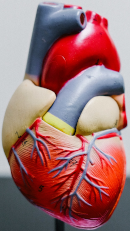
Advanced cancer therapies have significantly improved long-term survival rates, but many life-saving treatments carry a severe risk of causing long-term, delayed damage to the heart muscle. Consequently, medical experts emphasize that proactive, regular cardiac monitoring is absolutely critical for cancer survivors to detect early signs of trouble and prevent sudden cardiac emergencies.
According to cardiologist R. Pranevičius, almost everyone experiences temporary heart palpitations—such as a sudden flutter, a hard beat, or the feeling that the heart skipped a beat—at least once in their lifetime. While common, people often react with either complete indifference or severe anxiety.
AF prevalence is age-dependent and rises with population aging; it affects approximately 1%-3% of adults and more than 15% of those aged 80 years or older.
ZIVE Holter can reduce the risk of unwanted conditions and improve the effectiveness of treatment.
Presentations underscored that measurable disturbances in sleep duration, quality, timing, and regularity have direct pathophysiologic effects that often precede or worsen conditions such as hypertension, atrial fibrillation (AF), heart failure (HF), and coronary artery disease (CAD).
ZIVE Holter can reduce the risk of unwanted conditions and improve the effectiveness of treatment.
Impacting over 184 million people across the US, cardiovascular disease will contribute to $1.8 trillion in direct and indirect costs by 2050.
Heart disease remains the leading cause of death in the United States, fueled by ongoing increases in hypertension, obesity, and other major risk factors, according to the American Heart Association.
ZIVE Holter is a reliable smart medical device that can reduce the risk of unwanted conditions and improve the effectiveness of treatment.
Wearable devices were associated with a 25% reduction in the risk for major adverse events and a 36% reduction in all-cause mortality.
Cardiac involvement is more common and more severe in Becker muscular dystrophy (BMD) than in Duchenne muscular dystrophy (DMD). About 50% of deaths in BMD are attributed to malignant arrhythmias or congestive heart failure, he said. Screening requirements and treatment options in BMD are similar to those in DMD, with the added option of heart transplantation.
Silvestri cautioned...
Mortality rate from myocardial infarction is significantly higher in women than in men.
Conclusion
A 7-day Holter monitor offers a more robust, comprehensive assessment of cardiac rhythm, improves the diagnostic yield, and enhances clinical decision-making, particularly in patients with suspected intermittent arrhythmias or variable rhythm disturbances. This extended monitoring period is associated with higher sensitivity and specificity, making it a superior choice in many clinical contexts. The ZIVE Holter Monitor enables...